pattigilbertmclaughlin's pick · Updated October 2026
Kidde Basic 110 Fire Extinguisher for Home
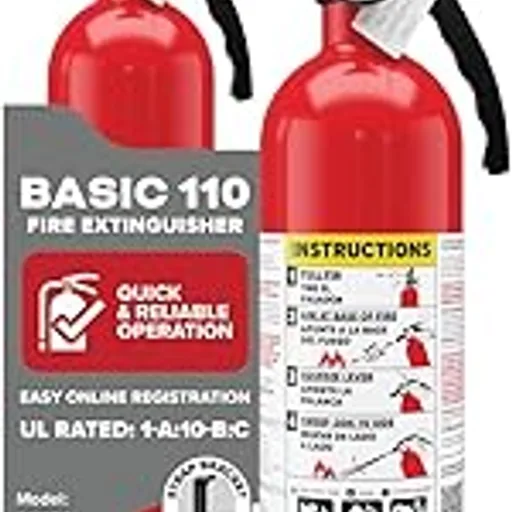

A basic home fire extinguisher is for anyone who wants a simple first line of defense in the kitchen, garage, workshop, or near a utility area. This kind of unit makes the most sense when you want something small enough to keep close at hand without turning fire protection into a big project. It is the sort of purchase that belongs in the same category as a smoke alarm or a carbon monoxide detector: not glamorous, but worth thinking through before you need it.
The main reason to consider this model is the broad home-use rating and the plain, no-frills format. A 1-A:10-B:C extinguisher is aimed at ordinary household fire risks, including common materials, flammable liquids, and electrical sources. That makes it a practical choice for a general-purpose spot in the home, especially if you want one extinguisher that covers more than a single room or one narrow use case. The compact size also matters. A unit like this is usually easier to place where it can actually be reached, which is the point. Fire safety only helps if the extinguisher is visible, accessible, and not buried in a closet.
One thing to check before buying is whether this size and rating match the space you want to protect. Some homes may need more than one extinguisher, and some buyers will want a larger unit for a garage, larger kitchen, or workshop. It is also worth confirming how the mounting hardware is handled, where the pressure gauge sits, and whether everyone in the house knows how to use it. Those details matter more than the marketing copy. A fire extinguisher is not a decorative accessory. It should be mounted where you can reach it fast and checked on a regular basis.
Because there are no usage notes here, the evidence posture has to stay grounded in category-level guidance rather than personal experience. That means the right way to judge this product is by the listed fire rating, the intended room or area, the ease of mounting, the size of the canister, and whether it fits your household plan for emergency response. You may also want to compare expiration information, service requirements, and replacement expectations, since those are part of the real ownership cost for any extinguisher.
This is a sensible fit for someone setting up a first home safety kit, replacing an old extinguisher that has fallen out of date, or adding coverage to a small residential space. It is also a reasonable choice for people who want a straightforward unit without extra features they will never use. If what you need is a basic, widely understood extinguisher for home readiness, this kind of product can fit that role well. The key is making sure the rating and placement match the space, then keeping it where it will actually do its job.
Amazon product links on this guide are not currently affiliate links. Neither pattigilbertmclaughlin nor Buyer Field Guide earns an affiliate commission from them.
See current price